The Cartagena Refinery is a large industrial and refining complex, vital for the industry and economy of the city, the Caribbean region and the country, Colombia's energy security and the production of clean fuels. It has also become a major player in a just energy transition.
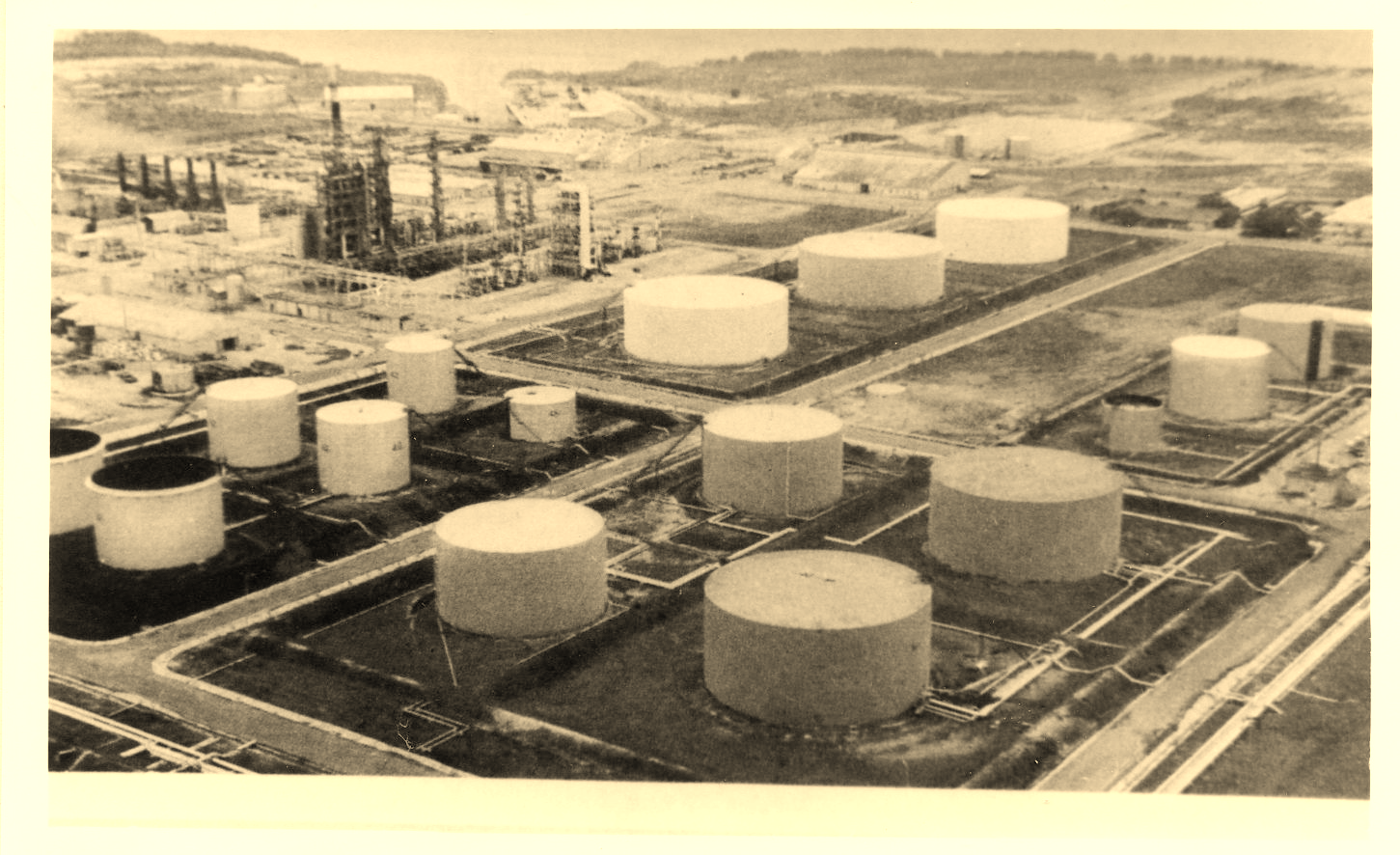
Its origin dates back to 1957 when it was built by Exxon as a fuel refining complex to supply the demand of the Caribbean coast. Later, in 1974 it was acquired by Ecopetrol.
Photo 1: Cartagena Refinery in 1957
At the end of the 1990s, the national government realized that the country needed to improve its refining capacity and that the national and international demand for fuels required more efficient and environmentally friendly products.
The decision to expand and modernize the Cartagena refinery, which had a load capacity of 80,000 barrels per day, came at a critical moment, when medium conversion refineries were being closed around the world, such as this one, which transformed 74% of a barrel of crude oil into valuable products.
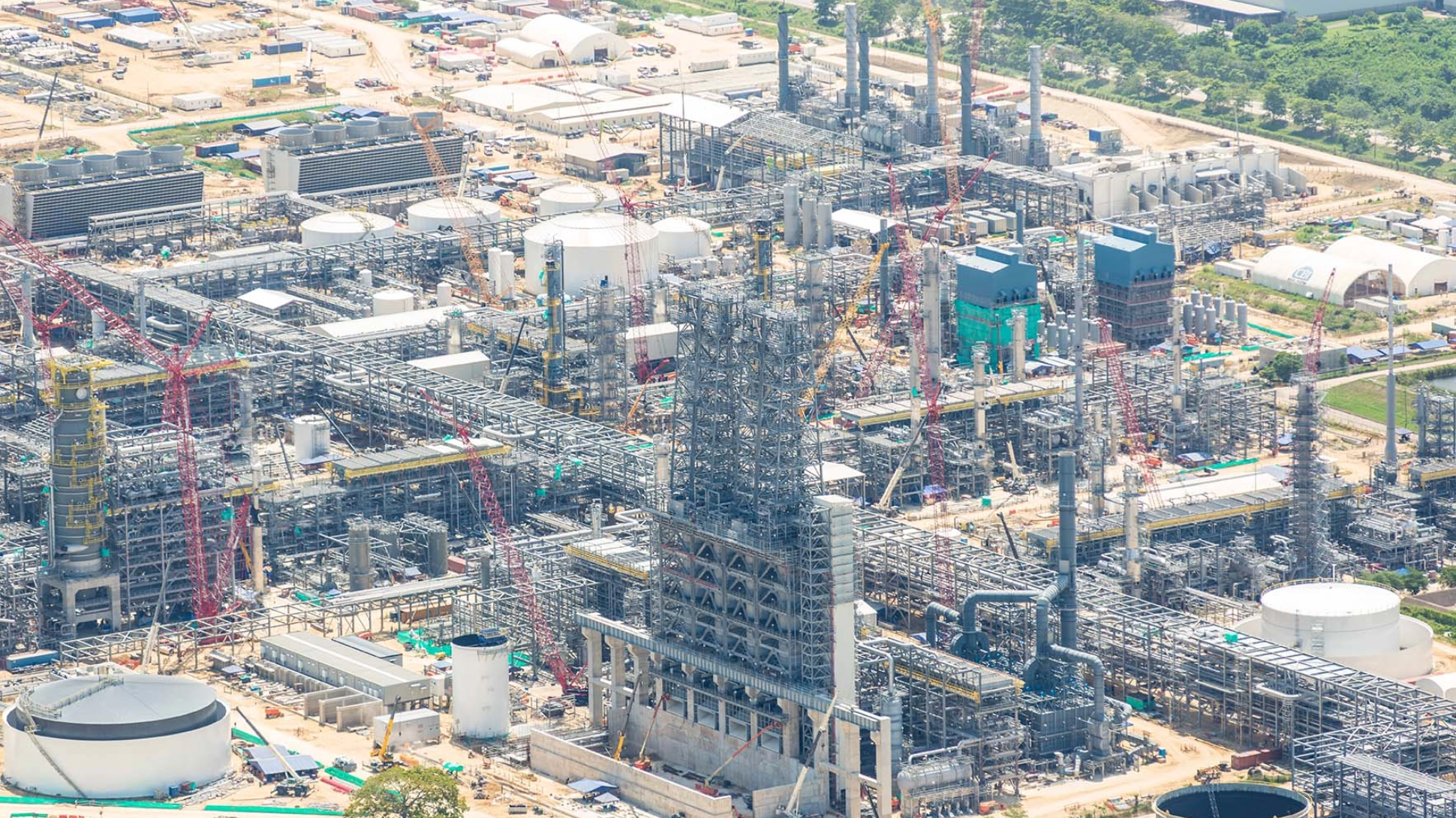
Fotografía 2: Refinería de Cartagena expansion and modernization
It was considered then that modernizing it was a strategic project for the nation, among other reasons, because in this way the import of fuels was reduced.
Before the modernization of the Cartagena refinery, Colombia sold oil and imported diesel and other fuels, which with the entry into operation of the refinery has been reduced.
Refinery modernization
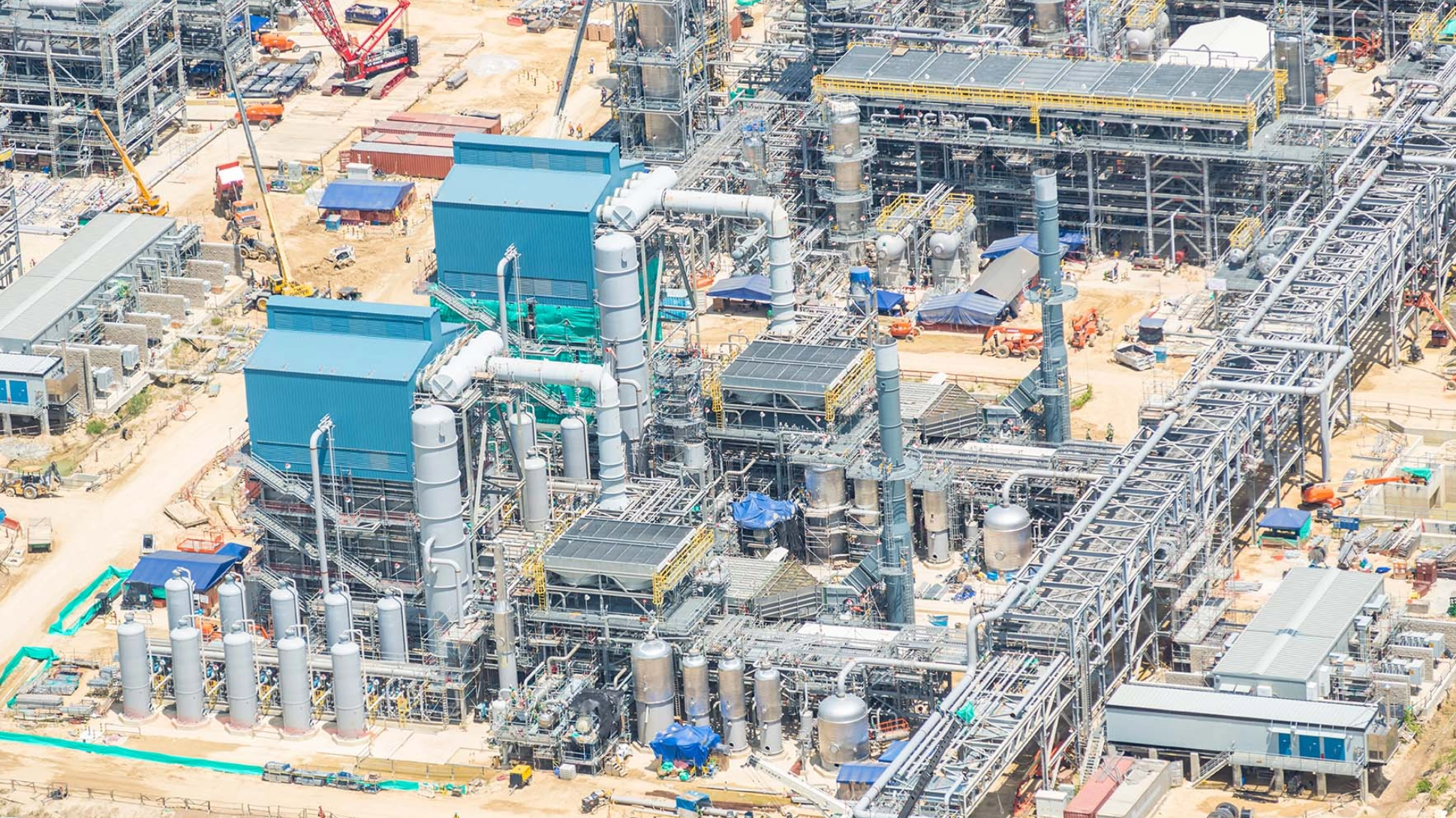
Photo 3: Refinería de Cartagena modernization process
After titanic efforts of more than 34 thousand workers, 95% of them Colombians, and overcoming multiple obstacles, the new Cartagena Refinery received the first load of crude, on October 21, 2015, when President Juan Manuel Santos opened the valve of the Oil Unit.
And the first production of refining took place on November 10, 2015, with a load of 90,000 barrels, which were transformed into diesel, naphtha, liquefied petroleum gas (LPG) and aviation fuel (Jet). All units were gradually brought into operation, a process that was completed on 11 July 2016.
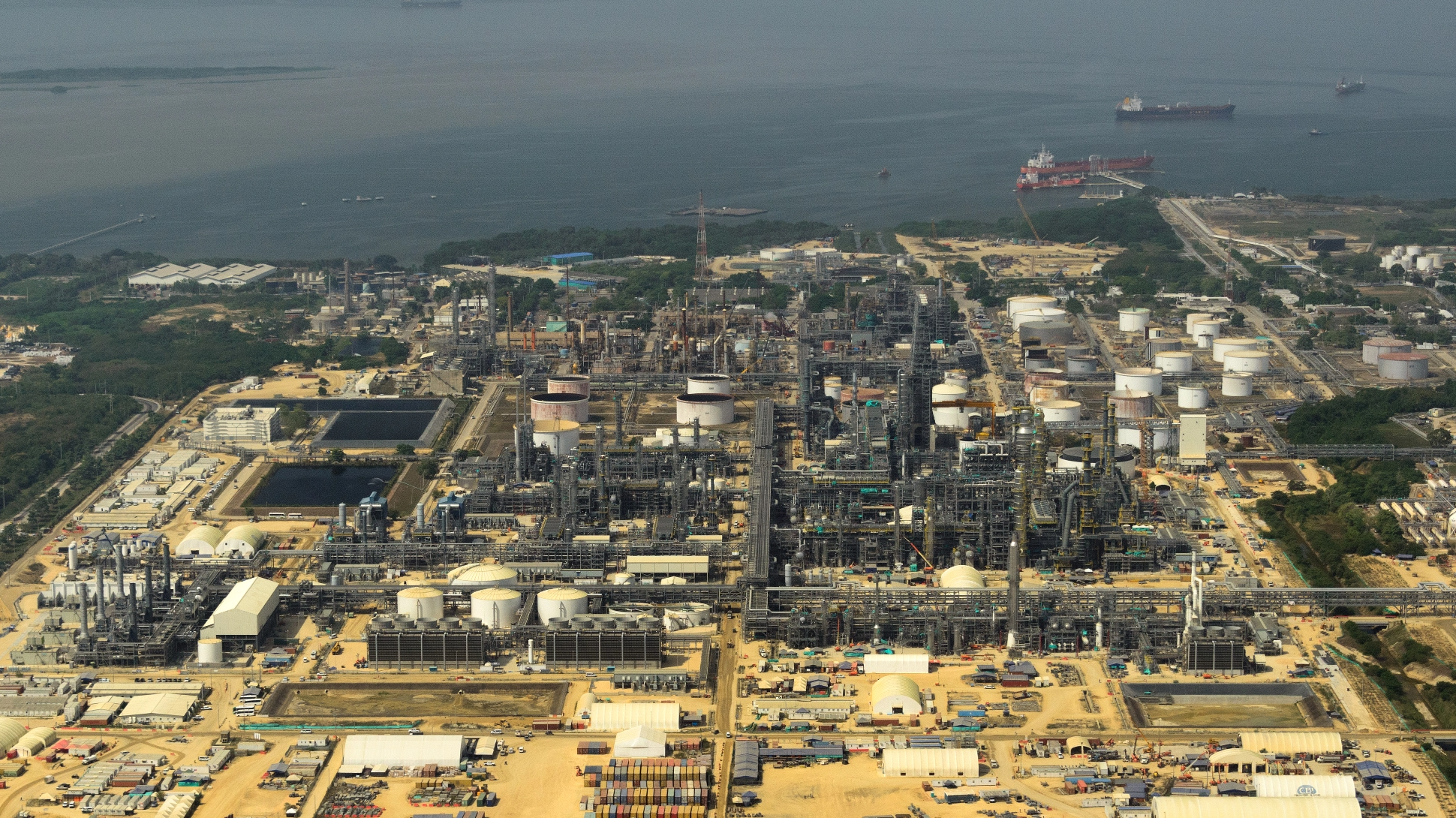
Today Colombia has in operation a refinery with a load capacity of 200,000 barrels a day, after the commissioning, in September 2022, of the interconnection of the crude unit, of the original refinery, with that of the new refinery. The Cartagena refinery is high conversion, transforms 93% of a barrel of crude into valuable products and 2.5% into coke and sulphur, used in the steel and agrochemical industries respectively.
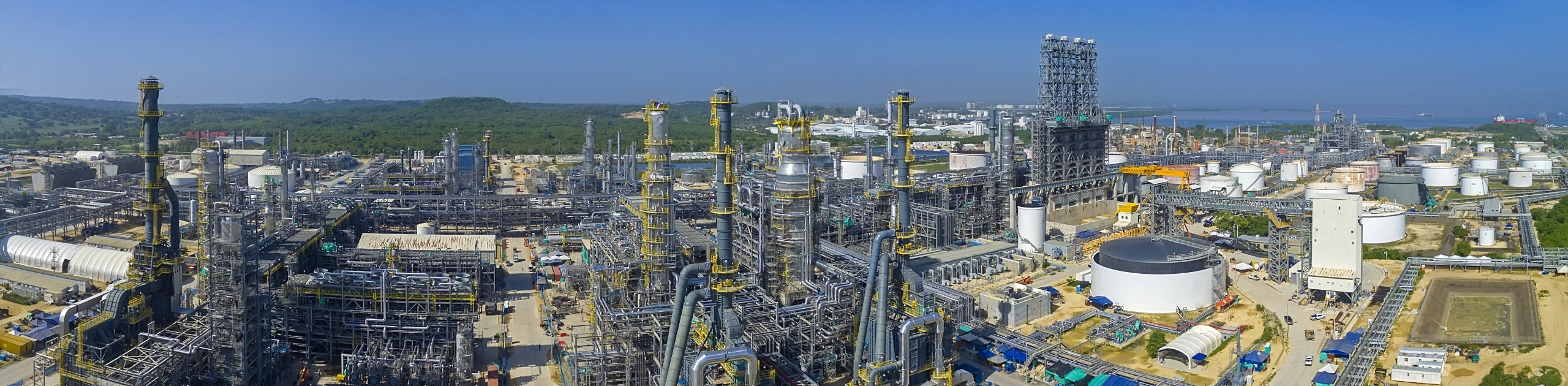
Photo 4: Refinería de Cartagena aerial view
Production of cleaner fuels.
The fuels produced by the Cartagena refinery are the cleanest in the history of Colombia: Diesel has less than 10 parts per million sulphur (ppm), which meets the highest international standards, and gasoline less than 50 ppm sulphur, below regulatory requirements.
The Cartagena refinery is an icon of the national industry, and a valuable productive asset for the Nation, which introduced Colombia into the era of safe, modern and state-of-the-art refining.
At present it is an industrial complex of refinement composed of 35 units, with an area of 140 hectares, the same space that would occupy 280 football fields together, which makes better use of domestic as well as international crude oils to transform them into clean and efficient products.
Today all Colombians can proudly say that we have the most modern refinery in Latin America, an example of the energy of our Caribbean region and the pride of an entire country.
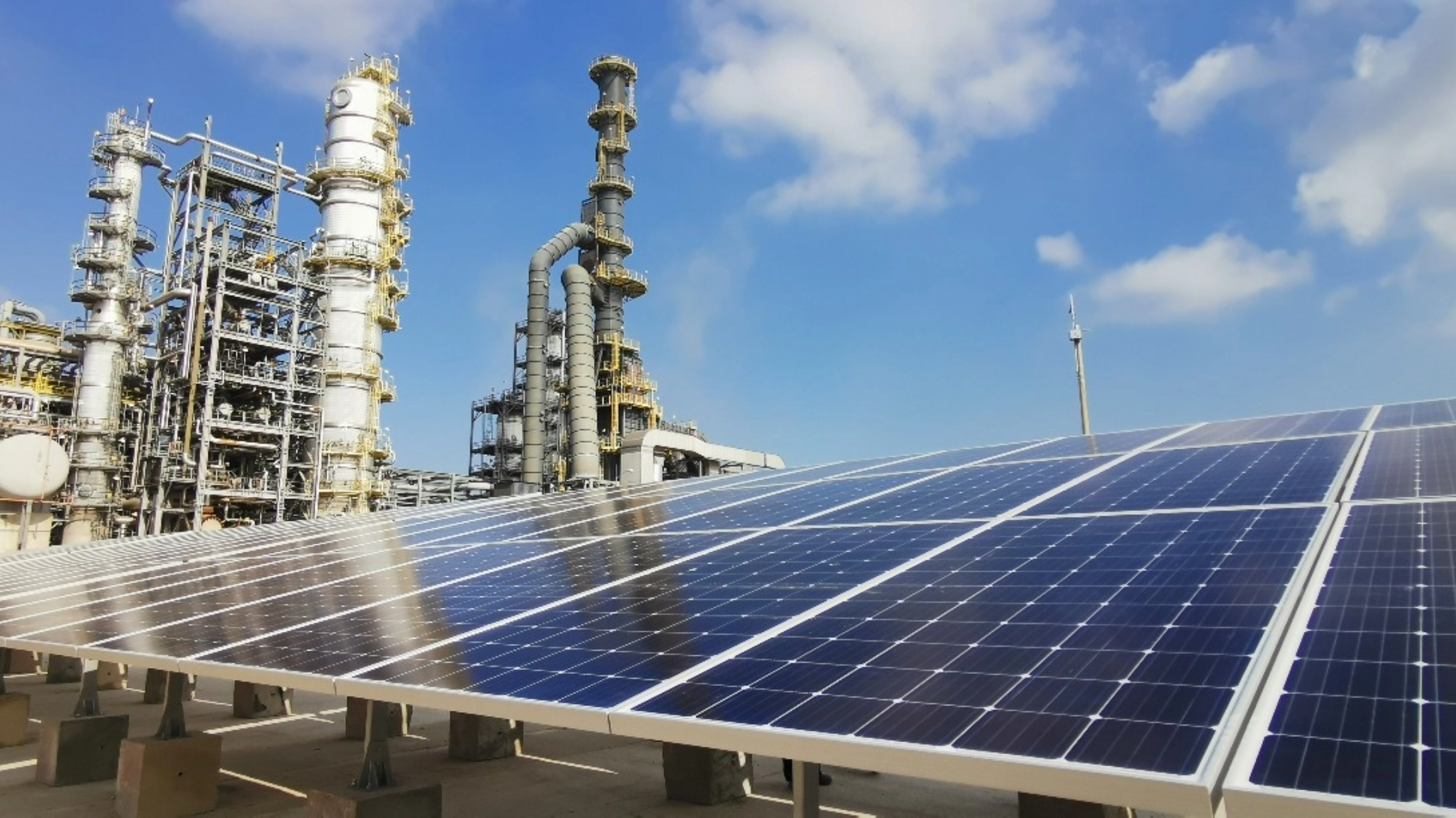
Photo 5: Solar panels in Refinería de Cartagena